Hurry Red Telephone
Marc Ribot
New
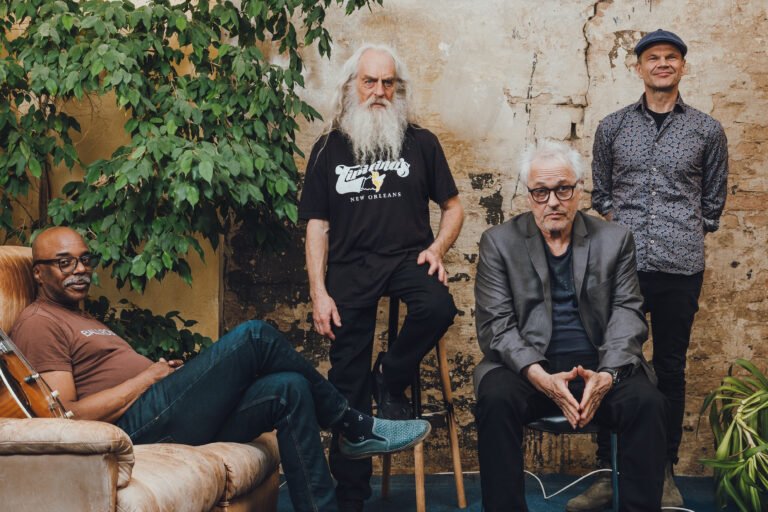
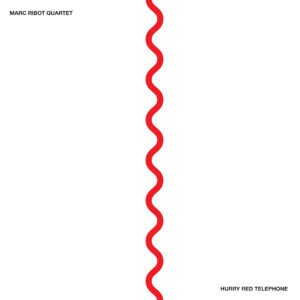
For more than four decades, guitarist Marc Ribot has made a career out of refusing to stay in one place, moving restlessly between jazz, rock, No Wave, singer/songwriter, solo guitar, music for film, Cuban music, and free improvisation, all while leaving an unmistakable imprint on everything he touches. With Hurry Red Telephone, Ribot returns with his first all-instrumental album since 2014’s highly-lauded Live at the Village Vanguard, which featured drummer Chad Taylor and the late bassist Henry Grimes. It reunites him with Taylor in an eponymously-named band recorded over two separate sessions: one with tenor saxophonists James Brandon Lewis and Brian Settles with bassists Hilliard Greene; and another with alto saxophonist Briggan Krauss and bassist Sebastian Steinberg (a veteran of Shrek and other Ribot experiments of the early 1990’s). Featuring four original compositions by Ribot alongside two by Haitian guitarist and composer Frantz Casséus – Ribot’s guitar teacher and an enduring musical influence – the performances reveal all of Ribot’s best qualities, by turns volatile, lyrical, abrasive, humorous, and soulful.
The band takes its name from a verse from the poem “Several Tremendous” by Richard Siken, which depicts the poet’s efforts to rebuild his ability to write and speak after a stroke robbed him of both. It’s an apt metaphor for Ribot’s pursuit of a language reconstructed from the ground up. The quartet format gives Ribot and his cohorts the freedom to do just that, continuing the improvisational conversation Ribot and Chad Taylor had begun, while at the same time paying homage to the guitarist’s No Wave and free jazz background. Bass and drums provide propulsion and resistance while Lewis, Settles, and Krauss – some of the most remarkable saxophonists on the scene – add their highly individual voices to the exchange. The music is composed, but never contained; its structures are launchpads for improvisation. The result is a visceral, rollicking, and celebratory tour-de-force.
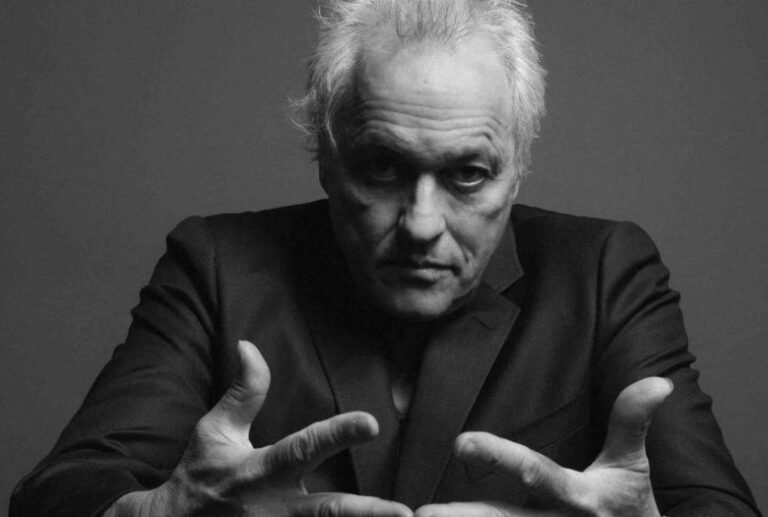
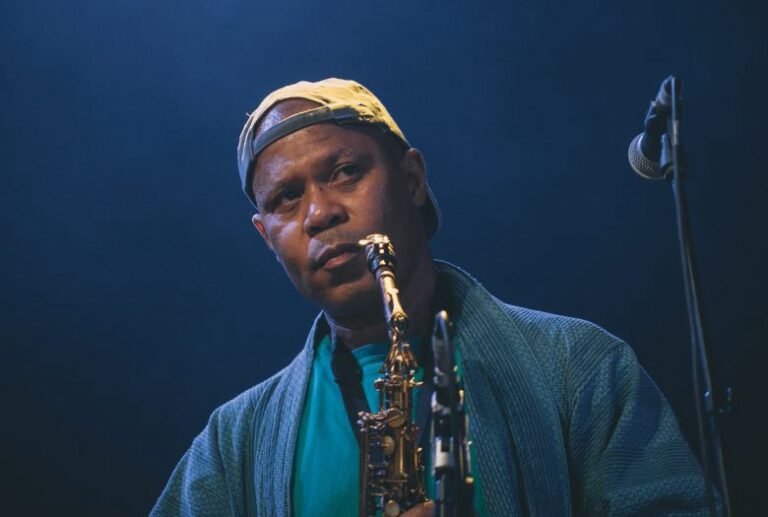
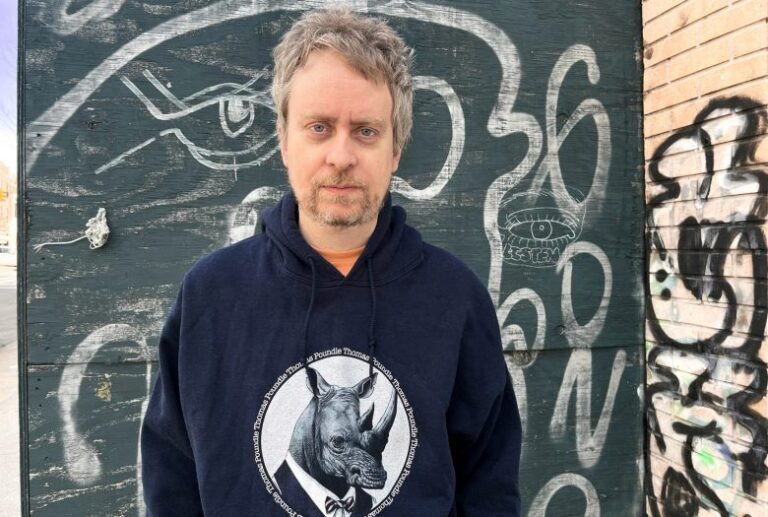
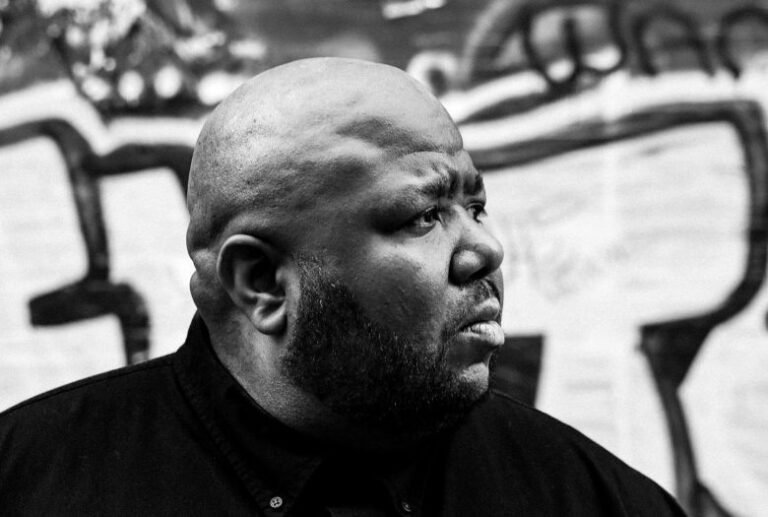
Two nights at Roulette to celebrate our 25th anniversary.
Night one June 4th – Marc Ribot solo & Steve Coleman and Five Elements
Night two June 5th – Matt Mitchel New Quartet & Tyshawn Sorey Trio
Tickets available Here